Transformative leadership
for stronger health systems in Africa
African health systems face relentless pressure. Technical solutions alone do not transform them. Sustainable strengthening requires transformative leadership embedded inside public sector institutions where mindset shifts drive culture change, culture change drives performance, and performance drives health outcomes.

Reality
The pressures African health systems face
African health systems operate in complex, high-pressure environments. Ministries of Health must deliver results amid resource constraints, workforce fatigue, fragmented partner ecosystems, and repeated shocks from epidemics to climate-related disasters.
Evidence
Why technical solutions fail
Service delivery gaps persist despite investment
At Spark Health Africa, transformative leadership in healthcare is a system-level intervention
designed to strengthen health
systems across Africa.
Evidence
What transformative leadership in healthcare means
Transformative leadership in healthcare is the deliberate development of leadership mindsets, management competencies, and team culture that enable public sector health professionals to deliver sustainable system performance. It is not corporate leadership repackaged for government.
it is leadership development rooted in real-world public sector realities across Africa.
- Rooted in public sector realities
- Built for African health systems
- Focused on sustainable performance
Support
How Spark Health Africa
strengthens ministries
Our transformative leadership programmes support ministries of health to navigate complexity, drive data-driven decisions, mobilise collaboration, institutionalise accountability, and sustain improvements beyond donor cycles.
Navigate complexity and uncertainty
Lead through ambiguity and competing demands in real time
Drive data-driven decision-making
Move from reporting data to actively using it for strategy
Sustain improvements beyond donor cycles
Embed accountability into routine governance processes
Mechanism
How transformative leadership strengthens systems
Transformative leadership strengthens health systems by improving how teams function, how decisions are made, and how accountability is embedded into routine governance processes. It is both leadership capacity building and culture change in public health institutions.
Shift
The shifts that matter
Real change happens when teams move from compliance to ownership
Leadership as system
We explicitly link leadership development to measurable health system performance through baseline assessments, alignment with national strategies, tailored workshops, and 18–24 months of embedded coaching.
Culture change focus
Many initiatives focus on knowledge transfer. We focus on behavioural transformation that becomes institutionalised within the health system itself.
Real constraints matter
We operate within real financial, political, and workforce constraints by strengthening existing systems rather than creating parallel ones.
Structure
What the model includes
Leadership development is attached to a Ministry-selected clinical tracer programme. This ensures that improvements in mindset and culture translate into measurable service delivery outcomes.
Baseline assessments
Tailored workshops
Leadership development is customised to each ministry’s context and priorities.
Embedded coaching
Coaches work alongside teams for 18–24 months to embed new behaviours into routine work.
Skills
Core competencies built
Teams develop the capabilities needed for sustainable health system performance
Working within real constraints
Health system strengthening in Africa must operate within real constraints—limited financial resources, political transitions, multi-partner ecosystems, and workforce shortages. We embed deep government ownership and use existing governance structures as coaching platforms.
Embed
How we embed leadership
We do not create parallel systems. We strengthen the system that already exists.
Impact
Transformative leadership across Africa
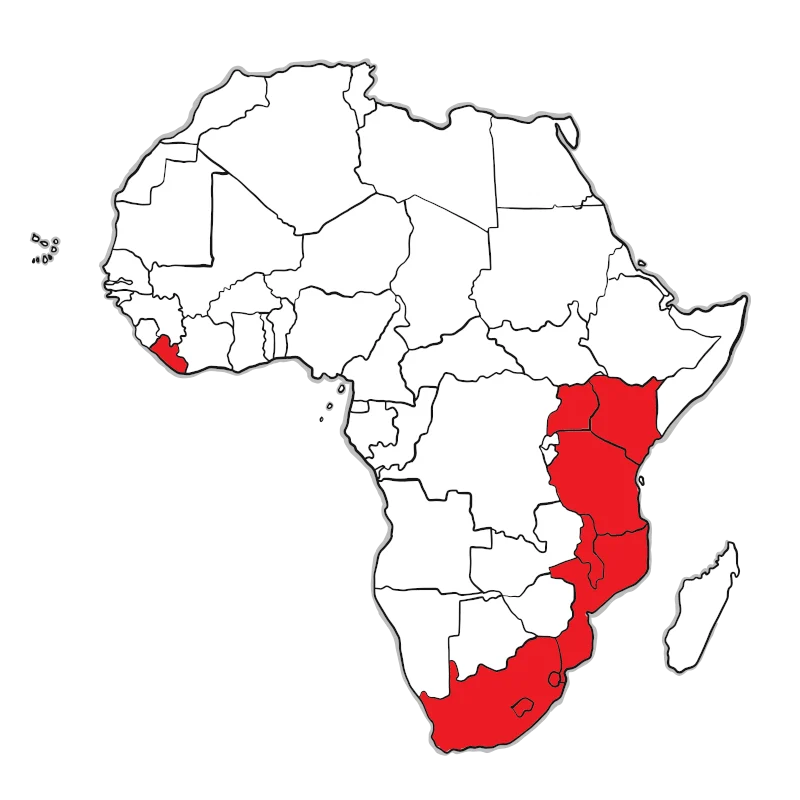
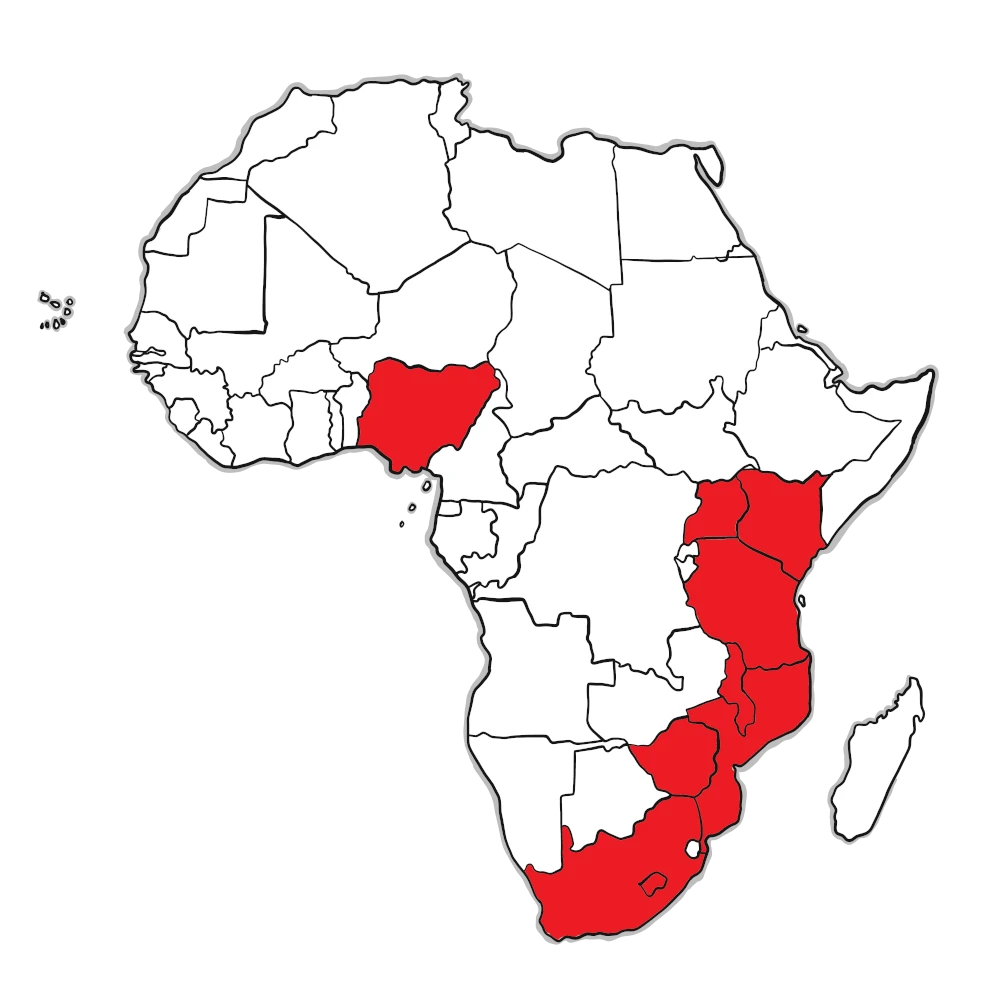
Spark Health Africa has implemented transformative leadership programmes in Uganda, Zimbabwe, Kenya, South Africa, Malawi, Nigeria, and Lesotho. Across these countries, leadership transformation has consistently correlated with improved service delivery indicators and stronger system coordination.
The Spark Health Africa Approach
Our Transformative Leadership & Culture Change (TLCC) model is a structured, long-term intervention aligned with national health priorities.
1. Leadership as a System Intervention
We explicitly link leadership development to measurable health system performance.
Our approach includes:
Leadership development is attached to a Ministry-selected clinical tracer programme. This ensures that improvements in mindset and culture translate into measurable service delivery outcomes.
Transformative leadership becomes a performance strategy—not a standalone training.
2. Culture Change, Not Compliance
Many leadership initiatives focus on knowledge transfer. We focus on behavioural transformation.
Core culture change principles include:
Teams apply these competencies directly to real clinical and management challenges. Coaching embeds new behaviours into routine meetings, review platforms, and governance structures.
Over time, leadership practices become institutionalised within the health system itself.
3. Working Within Real Public Sector Constraints
Health system strengthening in Africa must operate within real constraints:
Our transformative leadership programmes embed:
We do not create parallel systems. We strengthen the system that already exists.
Case Snapshot: Medicine Availability – South Africa
In the Eastern Cape province, leadership coaching linked to supply chain management improved essential medicine availability:
- From 54% to 95% in 6 months
The improvement was achieved without new funding. It resulted from strengthened teamwork, structured problem-solving, accountability mechanisms, and improved data use.
Case Snapshot: HIV Outcomes – Lesotho & Malawi
In participating districts:
- Mother-to-child HIV transmission reduced significantly within one year
- Viral load completion rates increased from 51% to 94% in four months
These results were achieved by strengthening district-level leadership, aligning teams around tracer indicators, and embedding data-driven performance review mechanisms.
Case Snapshot: Resilience During Crisis – Zimbabwe
During Cyclone Idai in Manicaland province, previously coached district teams demonstrated improved coordination, strategic planning, and cross-sector collaboration.
Leadership development strengthened system resilience under shock conditions.
Cumulative Impact Since 2011
Since 2011, Spark Health Africa has delivered:
- 1,600+ program participants
- 1,800+ coaching sessions
- 9,000+ quarterly review engagements
- 11 leadership cohorts
- 3 stakeholder coalitions
Across countries and contexts, transformative leadership has contributed to:
- Improved service delivery indicators
- Stronger multi-sectoral coordination
- Institutionalised accountability
- Increased system resilience
Who Our Transformative Leadership Programmes Are For
Our programmes are designed for leaders committed to sustainable health system strengthening in Africa.
Public Sector Health Leaders
Permanent Secretaries, Directors, and senior Ministry stewards seeking long-term institutional reform.
District & County Health Management Teams
Sub-national leaders responsible for operationalising national health strategies.
Policymakers
Officials designing leadership development frameworks and governance reform strategies.
Implementing Partners
NGOs and technical partners seeking stronger government ownership and collaborative ecosystems.
Donors & Funders
Global health funders investing in sustainability, scale, and public sector resilience.
Why Transformative Leadership Matters for Health Systems in Africa
Health systems across Africa face increasing complexity:
- Expanding universal health coverage commitments
- Demographic transitions
- Climate-related health shocks
- Donor transitions and financing pressures
Without embedded leadership capacity, reforms stall.
Transformative leadership matters because it:
Strengthens Health Systems
By improving governance, accountability, and coordination.
Drives Sustainability
By improving governance, accountability, and coordination.
Enables Scale
By cultivating a scaling mindset aligned with the ExpandNet/WHO systematic approach.
Unlocks the Workforce Dividend
By shifting mindsets from dependency to ownership.
When leadership culture changes, teams innovate with what they already have. Collaboration improves. Data informs decisions. System resilience increases.
Transformative leadership in healthcare is not a short-term intervention. It is a long-term investment in institutional capacity, public accountability, and sustainable health system strengthening in Africa.
For ministries of health and partners committed to lasting impact, leadership transformation is foundational.
FAQ – Frequently Asked Questions About Transformative Leadership in Healthcare
What is transformative leadership in healthcare?
Transformative leadership in healthcare is a structured approach to developing leadership capacity, organisational culture, and governance practices within public health institutions to improve health system performance and sustainability.
How does leadership development strengthen health systems?
Leadership development strengthens health systems by improving decision-making, accountability, coordination, and data use within ministries of health and district management teams.
Why is transformative leadership important in Africa?
Many African health systems operate in complex and resource-constrained environments. Transformative leadership enables institutions to maximise existing resources, institutionalise accountability, and build resilience against shocks.